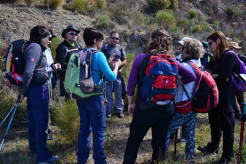
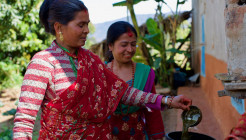
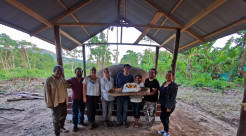
As the pandemic hit Perú, the country closed as many others around the world. Communities like Santa Rosa in the buffer zone of the Rio Abiseo National Park were left alone. Clarita’s small business got hit and the family economy collapsed. They were left to fend for themselves, and Clarita experienced the most painful moment of her life as her husband became victim of the virus and died. Her journey, as a single mother in the midst of a pandemic begun and as communities and countries started to open their borders again, she was faced with the dilemma of how to care for her son and maintain the household economy afloat. IUCN, and the German Government through GIZ, joined forces with our implementing partner Planeterra to build the “Sustainable Tourism and Protected Areas in a Post-COVID World” project in Perú and Vietnam, responding to the impacts of the pandemic. As part of the implementing activities, communities in the Rio Abiseo National Park and the Amarakaeri Communal Reserve created Community Action Plans, prioritizing and developing sustainable community tourism products realized through the Cash for Work mechanism. Her story enables us to understand the pillars of a community-based project in a more organic and human way. |