Dear readers,
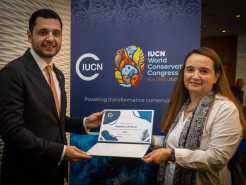
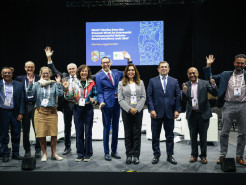
Looking back, 2025 was shaped by both reflection and momentum, as global dialogue increasingly translated into concrete regional action. This was particularly evident at the IUCN World Conservation Congress, which underscored the deep interconnections between biodiversity loss and climate change, and reaffirmed the need for collective action at all levels.
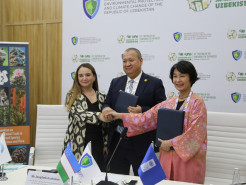
Translating these global priorities into strengthened regional engagement, a key milestone this year was the opening of the IUCN Central Asia Office in Tashkent. Establishing a permanent presence in the sub-region enhances collaboration across all five Central Asian countries, deepens engagement with Members and partners, and strengthens support to national efforts to meet global biodiversity targets.
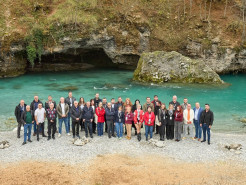
Across our region, biodiversity and climate considerations are increasingly embedded in evolving policy agendas. In the Western Balkans, IUCN continued coordinating Pillar 5 of the Green Agenda for the Western Balkans and hosting the Biodiversity Task Force Secretariat, supporting EU integration processes linked to sustainability and biodiversity. This policy-level engagement was complemented by practical application of IUCN standards and tools, including the launch of the IUCN Green List process in Albania and continued support to the operationalisation of the Vjosa Wild River National Park.
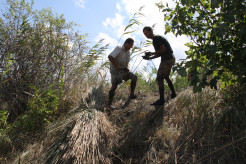
Work also advanced on Nature-based Solutions to address climate change and reduce disaster risks in the Western Balkans. Forest Landscape Restoration interventions in North Macedonia and Albania targeted areas critical for the Critically Endangered Balkan lynx, while strengthening ecological connectivity at the regional scale.
In the South Caucasus and Eastern Partnership countries, nature-positive and climate-resilient approaches are increasingly shaping green transition pathways. Throughout 2025, IUCN supported partners in strengthening environmental governance, integrating natural capital into decision-making, and aligning national priorities with the European Green Deal.
In Central Asia, growing pressures from climate change, water scarcity, and land degradation continue to drive demand for long-term, landscape-based solutions. Grounded in the One Health approach, IUCN promotes cross-sector collaboration across environmental, animal, and human health. In Uzbekistan and Kazakhstan, we support integrated landscape approaches and climate-resilient land restoration efforts.
We were also pleased to welcome Armenia and Tajikistan as IUCN State Members, further strengthening the Union in our region. These achievements reflect the collective efforts of Members, Commission experts, governments, civil society, donors, and partners.
As we look ahead, we extend our sincere thanks for your trust and engagement, and wish you a peaceful festive season and a positive start to the year ahead.
Enjoy the read,
IUCN ECARO Editorial |